

Here is your ultimate DMV (DC, Maryland [Baltimore], and Virginia) travel guide! If you’re visiting for the first time or are a local looking to explore nearby gems, this guide will walk you through everything you need to see, eat, and experience across Washington, DC, Northern Virginia, and Baltimore.
- DC, Virginia & Baltimore (DMV)
- Why the DMV Area is Special
- DMV Stereotypes That Are True (and What to Know)
- Best Times to Visit the DMV
- Washington, DC: History & Neighborhoods
- Northern Virginia: History, Nature & Small-Town Charm
- Baltimore, Maryland: Charm City Adventure
- Safety in the City: What You Should Know
- Some Tips To Leave You With
- Key Takeaways
Drawing from personal experience and packed with local insights, my DMV local guide has all of the iconic sights, hidden gems, seasonal tips, and recommended itineraries.
Key Takeaways
- Every city has its own vibe:
- Washington, DC, has history, iconic landmarks, and free world-class museums.
- Northern Virginia (NOVA) blends charming towns, nature trails, and colonial history with modern comforts.
- Baltimore has artsy, edgy energy with incredible seafood, unique neighborhoods, and waterfront vibes.
- Safety varies by area:
- Virginia doesn’t play with traffic laws:
- Speed cameras, HOV lanes, toll confusion, and strict ticketing make Northern Virginia one of the easiest places to get fined.
- DC is a parking headache:
- Between unclear signage, restricted hours, and meter enforcement, it’s easy to get a ticket or be towed.
- Traffic is real:
- Rush hour in the DMV can test your patience. Plan around peak times (7–9 AM, 4–7 PM) and lean on public transportation whenever you can.
- Seasons matter:
- Spring is great for cherry blossoms and gardens.
- Fall brings colorful leaves and mild temperatures.
- Summer can be hot and crowded, while winter is slower-paced and less expensive (but colder)
- You don’t have to break the bank:
- While you’ll find luxury options, the DMV is packed with free museums, scenic walks, food markets, and budget-friendly eats, so you can make your trip work for any budget.
Quick Travel Snapshot
DC, Virginia & Baltimore (DMV)
Destination: Washington, DC, Northern Virginia (NOVA) and Baltimore
Trip Style: City sights, museums, waterfronts, small town charm and easy day trips
Trip Length: 4–7 Days
Where to Stay
DC: Base near Downtown, the National Mall or Dupont Circle for quick access to museums and monuments.
NOVA: Stay in Arlington or Old Town Alexandria for quieter streets, Metro access and easier parking.
Baltimore: Choose Inner Harbor or nearby historic neighborhoods for walkable waterfront views.
Search Hotels: Washington, DC stays · Northern Virginia stays · Baltimore stays
Where to Eat
DC: Food halls, global spots around U Street, Shaw and the Wharf.
NOVA: Brunch and dinner in Old Town Alexandria or Arlington, with river views and relaxed streets.
Baltimore: Crab houses, seafood and casual bites near the harbor and Fells Point.
Top Experiences
- National Mall (DC): Walk monuments and Smithsonian museums in one core stretch
- National Museum of African American History and Culture (DC): Plan ahead for tickets to this must-see Smithsonian museum
- Old Town Alexandria (VA): Cobblestone streets, waterfront walks and local shops a short ride from DC
- Great Falls Park (VA): Easy half-day hike with Potomac River views and waterfall overlooks
- Inner Harbor (Baltimore): Aquarium, waterfront walks and access to nearby historic neighborhoods
Coitraveler Tip
Use the Metro and MARC or Amtrak when you can — group DC sightseeing on one or two heavy walking days, then save Old Town, Great Falls and Baltimore for slower days with more food and views.
Essential Info
Nearest Airports: DCA (Reagan National), IAD (Dulles), BWI (Baltimore/Washington)
Best Time to Visit: Spring for cherry blossoms and gardens, fall for mild weather and foliage
Currency: US Dollar (USD)
Language: English
Local Transport: DC Metro, buses, MARC/Amtrak between DC and Baltimore, plus rideshare and walkable cores in most neighborhoods
Why the DMV Area is Special
Before we dive in, let’s talk about a few things that are often said about the DMV—and happen to be mostly true:
The DMV offers a unique blend of big-city excitement and small-town charm. In a single trip, you can walk among iconic monuments in DC, stroll centuries-old streets in Virginia, and enjoy the harbor breeze in Baltimore.
Each place has its own vibe: Washington, DC, impresses with monumental landmarks and free Smithsonian museums, Northern Virginia balances cosmopolitan suburbs and colonial history, and Baltimore (“Charm City”) greets you with lively waterfronts and rich culture.
I’ve been lucky to visit countless sites across the region, and I’m excited to share the must-sees along with some personal favorites and surprises off the beaten path.
DMV Stereotypes That Are True (and What to Know)
1. Baltimore’s Reputation for Safety

The stereotype that Baltimore is unsafe isn’t entirely wrong, but it’s not the whole story. Baltimore is a city full of culture and history, but it also struggles with crime. Most tourist-friendly neighborhoods, like the Inner Harbor, Fells Point, Federal Hill, and Mount Vernon, are safe to explore, especially during the day.
Like any big city, it’s smart to avoid wandering through unfamiliar neighborhoods at night. In Baltimore, aka Charm City, stick to busier areas, especially after dark. Rideshares like Uber or Lyft are your best bet if you’re not sure about a route. Do that, and you’ll be totally fine soaking up the city’s vibe.
2. Virginia LOVES to Give Tickets

Ask any local, and they’ll confirm: Virginia is notorious for ticketing, especially in Northern Virginia.
From speed traps to confusing toll roads to strict enforcement of HOV lanes, Virginia does not play around. If you’re driving through, keep your speed down (seriously), and double-check whether you’re allowed in HOV or Express Lanes, especially on I-95 and I-66. Red light cameras and school zone enforcement are also common.
Locals often joke that “you’re not really a DMV driver until you’ve gotten a ticket in DC or Virginia.“
3. DC Parking is a Nightmare

This one is absolutely true. Go watch the Instagram post above, and you will understand what I mean.
Washington, DC, has some of the strictest parking enforcement in the country. Between metered zones, residential parking restrictions, no-parking rush hour lanes, and a heavy network of traffic cameras, DC feels like a trap for even the most careful drivers.
Add confusing parking signs and limited garage options in popular neighborhoods, and it’s easy to rack up a ticket or even get towed without realizing it. If you’re visiting, consider skipping the rental car altogether and using Metro, ride-shares, or walking.
And if you park on the street, read every sign twice.
4. Traffic is No Joke

All three areas, DC, NoVA, and Baltimore, are known for rough traffic.
DC has traffic circles and one-way streets that confuse even locals. Northern Virginia’s highways are among the most congested in the U.S. during rush hour, and Baltimore has chokepoints that slow everything down. Add in tourists, aggressive drivers, and constant construction, and you’ll see why public transit is often the better choice.
Now that you know what to expect, let’s explore the best things each city/state has to offer!
Best Times to Visit the DMV

When should you plan your visit, even if you’re just coming from Maryland? The DC metro area has four distinct seasons, each with its perks.
Spring (March – May)
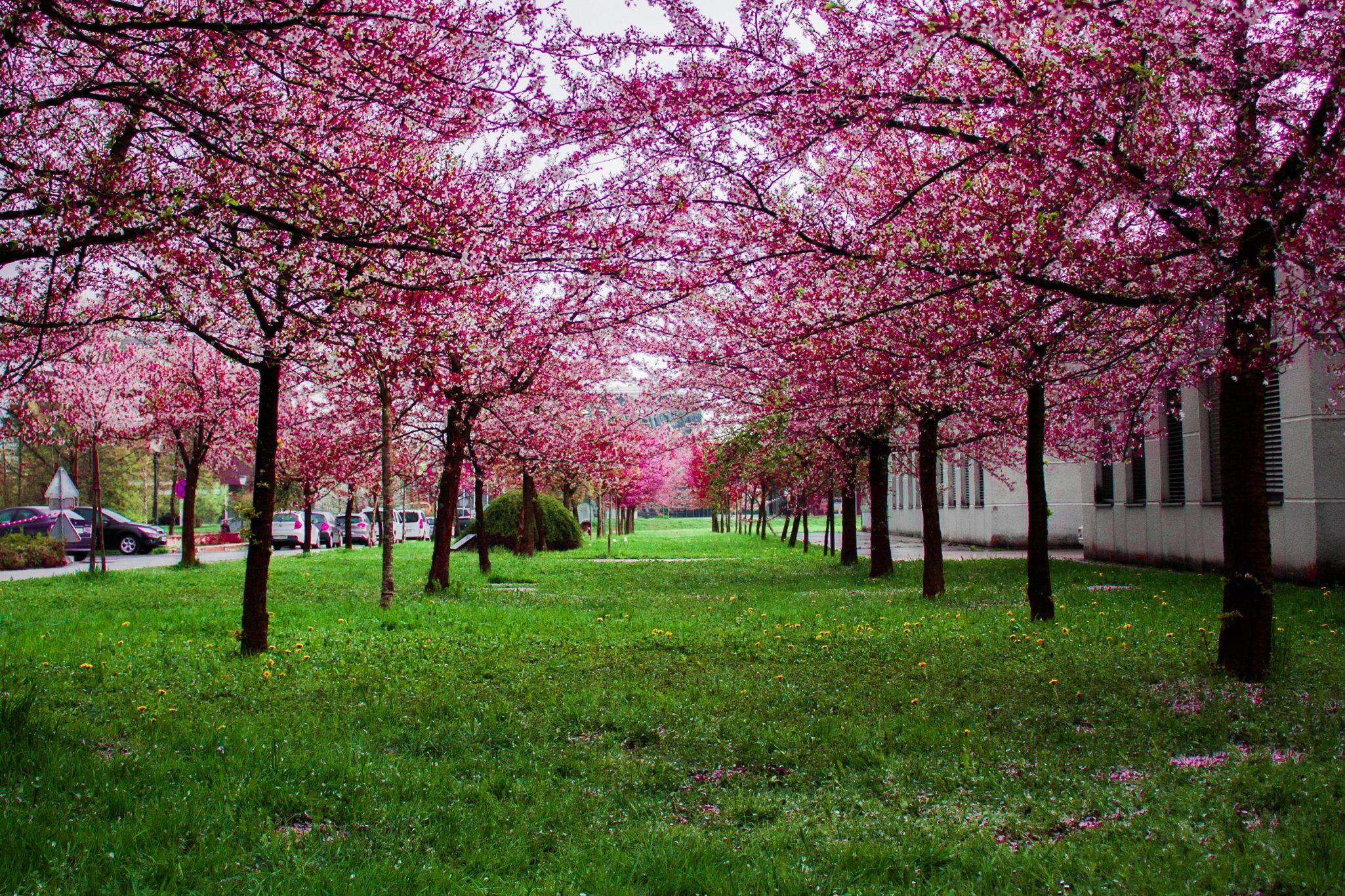
My favorite time! Mild weather and blooming cherry blossoms make DC especially gorgeous. Peak bloom for the famous cherry blossoms usually falls in late March or early April, drawing crowds for the National Cherry Blossom Festival.
It’s busy but magical! Picture fluffy pink and white trees around the Tidal Basin. Spring is also a good time to explore Baltimore’s parks and Virginia’s gardens. Just bring an umbrella, spring showers happen.
Summer (June – August)
Summer is hot and humid, with average highs around 85°F (29°C). This is peak tourist season, July 4th, when DC’s National Mall fills up for fireworks. Expect crowds at museums and long lines (the Smithsonian museums still stay fun with extended hours).
On the plus side, summer brings outdoor concerts, baseball games, and festivals. Baltimore’s Inner Harbor is filled with activity. If you can handle the heat, you’ll enjoy lively street life, but stay hydrated and wear sunscreen.
Autumn (September – November)
Fall is arguably the best season, mainly because of the layered fashion statement that is made when you step outside.
The summer heat is gone, and so are many tourists. September and October have crisp, pleasant weather (70s°F) and bright fall foliage. It’s perfect for hiking Great Falls Park in VA or strolling Georgetown’s leafy streets in DC. October in particular presents the ideal blend of comfortable weather, thinner crowds, and plenty of events – from harvest festivals in Virginia wine country to Halloween tours in historic Alexandria. Bring a light jacket for cool evenings.
Winter (December – February)
Winters can be chilly (around 30–45°F, 0–7°C) and occasionally snowy. It’s the quietest tourist season, which means shorter lines and cheaper hotels. The holiday period is beautiful: DC’s National Mall gets a National Christmas Tree lighting and festive decorations, and ice rinks pop up in Georgetown and the National Harbor.
Baltimore’s downtown shops are decked out for Christmas, and Alexandria’s Old Town hosts cheerful holiday markets. If you don’t mind bundling up, you’ll enjoy a cozy, local vibe. Just note that January and February have fewer events, and some attractions run on limited hours.
Travel Tip #42: If you want to avoid crowds but still get decent weather, aim for mid-October. Another sweet spot is *early May* right after cherry blossom season – the flowers are gone, but the city is green and pleasant, and school vacation crowds haven’t hit yet.
Washington, DC: History & Neighborhoods

Washington, DC is the nation’s capital and has a rich history, politics, and culture. With world-famous monuments, free museums, and neighborhoods, DC has something for everyone.
Must-Do Itinerary
Monuments and Museums
- National Mall: Lincoln Memorial, Washington Monument, Reflecting Pool, WWII Memorial
- Smithsonian Museums: National Museum of American History, Natural History
- White House photo stop
- Evening: Tidal Basin walk + Monuments by Moonlight tour
- Dinner: Ben’s Chili Bowl or Le Diplomate
Capitol Hill & Neighborhoods
- Capitol Building + Library of Congress + Supreme Court
- National Archives (see original U.S. Constitution)
- Smithsonian National Zoo
- Explore Adams Morgan & U Street
- Dinner: Busboys and Poets or Old Ebbitt Grill
Offbeat DC & The Wharf
- Hillwood Estate & Gardens / Kenilworth Aquatic Gardens
- International Spy Museum or the African American History Museum
- The Wharf: walk, eat, shop
- Night: Kennedy Center rooftop or river cruise
Optional Stops
- Mount Vernon (VA)
- Arlington National Cemetery
- National Gallery of Art or Phillips Collection
Must-See DC Museums & Hidden Gems
- National Museum of African American History & Culture
- National Gallery of Art
- Air & Space Museum
- Hirshhorn Museum & Sculpture Garden
- Library of Congress
- International Spy Museum
- Hillwood Estate
- National Archives
- The Mansion on O Street
- Kenilworth Aquatic Gardens
DC Restaurants (Top 5)
- Ben’s Chili Bowl (U Street)
- Le Diplomate (14th St)
- Founding Farmers (Foggy Bottom)
- Busboys and Poets
- Old Ebbitt Grill
Where to Stay in DC
- Budget: Hotel Hive, HI Washington Hostel
- Mid-range: Phoenix Park Hotel, Churchill Hotel
- Luxury: Willard InterContinental, Salamander DC
- Wellness: Salamander Spa & Resort (DC area)
Getting Around DC
- Metro: Use SmarTrip card/app. Efficient and safe.
- DC Circulator Bus: $1, covers major areas like the Mall and Georgetown.
- Bike/Walk: Capital Bikeshare + pedestrian-friendly zones.
- Avoid Driving: Heavy traffic and limited parking.
Top DC Museums & Landmarks
- Smithsonian National Museum of Acan History & Culture (NMAAHC): Newest Smithsonian on the Mall (timed entry tickets required).
- United States Holocaust Memorial Museum: Near the Mall, a powerful experience (not recommended for young kids).
- Smithsonian Air and Space Museum (two locations): The Mall location for iconic artifacts like the Wright Flyer, and the Udvar-Hazy Center in Chantilly, VA.
- The National Archives: View the original Declaration of Independence, Constitution, and Bill of Rights under dim light; it gives me chills every time.
- The Hirshhorn Museum and Sculpture Garden: Modern art, plus a unique donut-shaped building. The sculpture garden is a lovely, quick visit.
- International Spy Museum: Interactive espionage fun (not free, but unique).
- Hillwood Estate, Museum & Gardens: A hidden gem for a peaceful afternoon.
- The Mansion on O Street: An eccentric townhouse in Dupont Circle with dozens of themed rooms and secret doors.
Northern Virginia: History, Nature & Small-Town Charm

Right across the river from DC, Northern Virginia (NoVA) is sort of a sleeper gem. You have colonial sites, nature trails, wineries, and suburbs that are surprisingly easy to navigate. It’s low-key perfect for a quick road trip or a weekend escape, especially if you’re trying to unplug without driving too far.
Must-Do Itinerary
Arlington & Alexandria
- Arlington National Cemetery, Iwo Jima Memorial
- Old Town Alexandria: King Street, Waterfront, Carlyle House
- Mount Vernon (George Washington’s estate)
- Evening Ghost Tour in Alexandria
- Dinner: Gadsby’s Tavern, Chadwick’s
Nature & Museums
- Great Falls Park hike
- Tyson’s Corner or Reston Town Center for lunch/shopping
- Udvar-Hazy Air & Space Center (Chantilly)
- Wine tasting at Loudoun County wineries (Stone Tower, Greenhill)
- Dinner: Sweetwater Tavern or Mike’s American Grill
Historic Towns & Countryside
- Manassas Battlefield or Harpers Ferry
- Explore Middleburg (shops + The Red Fox Inn)
- Salamander Resort: spa, wine tasting, horseback riding
- Dinner: Tuscarora Mill (Leesburg)
NoVA Hidden Gems
- Great Falls Park
- Mount Vernon
- Manassas Battlefield
- Udvar-Hazy Center
- Middleburg wineries
- Gravelly Point (plane-watching)
- Wolf Trap Performing Arts Park
- Meadowlark Botanical Gardens
- Torpedo Factory Art Center
- Eden Center (Vietnamese food haven)
NoVA Restaurants (Top 5)
- Ray’s Hell Burger (Arlington)
- Kabob Palace (Crystal City)
- The Red Fox Inn (Middleburg)
- Virtue Feed & Grain (Alexandria)
- Sweetwater Tavern (Sterling)
Where to Stay in NoVA
- Arlington: Hyatt Centric, Embassy Suites
- Alexandria: Kimpton Hotel Monaco
- Tysons/Reston: Hyatt Regency Tyson’s, Westin Reston
- Luxury: Salamander Resort & Spa, Lansdowne Resort
- Camping: Bull Run Regional Park, Cherry Hill Park
Getting Around NoVA
- Metro: Covers Arlington, Alexandria, Tyson’s
- Car: Needed for wineries, Mount Vernon, and battlefields
- Water Taxi: Connects Alexandria, Georgetown, and National Harbor
- Bike Trails: Mount Vernon Trail, Great Falls nearby
Baltimore, Maryland: Charm City Adventure

Baltimore is a dynamic city full of character – imagine historic ships, world-class seafood, quirky art, and cozy neighborhoods. I’ve made many trips to Baltimore and always find something new. It’s a city of distinct neighborhoods (each with its own “flavor”), and it’s very walkable around the harbor.
Must-Do Itinerary
Inner Harbor Highlights
- National Aquarium
- USS Constellation + Historic Ships
- Federal Hill Park
- American Visionary Art Museum
- Harbor East dinner + Fells Point nightlife
History & Culture
- Mount Vernon: Walters Art Museum, Washington Monument
- Peabody Library
- Fort McHenry National Monument
- B&O Railroad Museum
- Fells Point stroll
- Dinner: Thames Street Oyster House, Ekiben
Hampden & Druid Hill
- Explore Hampden’s 36th Street (The Avenue)
- Atomic Books, The Charmery
- Baltimore Museum of Art + lunch at Gertrude’s
- Druid Hill Park: Zoo + Conservatory
- Dinner in Little Italy or Canton (Mama’s on the Half Shell)
Baltimore Hidden Gems
- American Visionary Art Museum
- Fort McHenry
- Graffiti Alley (Station North)
- Hampden
- Walters Art Museum
- Peabody Library
- Druid Hill Conservatory
- Fells Point Ghost Tours
- B&O Railroad Museum
- Harbor Water Taxi
Baltimore Restaurants (Top 5)
- Faidley’s (Lexington Market)
- Thames Street Oyster House
- Miss Shirley’s Cafe
- Ekiben (Canton)
- The Food Market (Hampden)
Where to Stay in Baltimore
- Luxury: Four Seasons (Harbor East), Sagamore Pendry
- Mid-range: Kimpton Monaco
- Boutique: The Ivy Hotel (Mount Vernon)
- Budget: HI Baltimore Hostel, Tru by Hilton
Getting Around Baltimore
- Charm City Circulator: Free shuttle bus covering downtown
- Water Taxi: Scenic and convenient harbor transport
- Light Rail & Metro: Reach Camden Yards, BWI, Penn Station
- Walking: Ideal for Inner Harbor, Fells Point, Mount Vernon
- Ride Shares: Easy and safe, especially at night
- Day Trips from DC: Use MARC Train (1 hour) or Amtrak (30-40 mins)https://coitraveler.com/best-things-to-do-in-baltimore-city/
One thing to know: Baltimore’s streets are full of random one-ways, so keep that GPS on. Also, watch for speed cameras (even though most of them don’t work), especially near school zones. A quick trip can turn into a ticket real fast if you’re not paying attention.
Transit to DC: If you are combining DC and Baltimore in one trip without a car, know that you can take the MARC commuter train from Baltimore Penn Station to DC Union Station in about 1 hour for just $8 (weekday service, and limited weekend service on the Penn Line).
Sweet Treat Bonus: Baltimore loves its desserts – be sure to grab a Berger cookie (a soft shortbread cookie thickly frosted with fudge), you can find them at markets and groceries, and a snowball in summer (shaved ice with marshmallow topping, a Baltimore tradition).
If you’re at the Inner Harbor, The Charmery has a stall there for ice cream, or go to Vaccaro’s in Little Italy for authentic cannoli and gelato.)
Safety in the City: What You Should Know

Virginia gets a pass in terms of cities where you have to practice extra awareness. The other two cities, DC and Baltimore, are packed with culture, history, and good food. Nevertheless, like any city, they have areas that can feel sketchy, especially at night.
Just stay aware of your surroundings, stick to well-lit spots, and don’t wander too far off track after dark.
General Safety Tips
Before diving into specific areas, here are a few tips that apply to both DC and Baltimore:
- Stick to well-lit, busy areas at night and avoid wandering into residential zones or alleyways.
- Don’t flash valuables, including phones, cameras, or jewelry. Use a crossbody bag or secure backpack.
- Use ride-share apps (Uber/Lyft) if it’s late or you’re in an unfamiliar part of town.
- Stay alert on public transportation, especially at night.
- Trust your instincts; if a place feels off, don’t hesitate to leave.
Safe Areas in Washington, DC for Tourists
Most tourist-heavy neighborhoods in DC are very safe during the day and early evening. These include:
- National Mall & Smithsonian Area – Heavily patrolled, with lots of visitors and surveillance.
- Georgetown – Upscale shopping, dining, and historic homes. Great for walking and waterfront views.
- Capitol Hill (around Eastern Market) – Charming and family-friendly during the day.
- Dupont Circle is lively, LGBTQ+ friendly, and full of restaurants and embassies.
- Foggy Bottom – Home to the George Washington University (my grad school alma mater) and close to the Kennedy Center.
- Navy Yard & The Wharf – Recently redeveloped, full of waterfront dining and modern buildings.
- Adams Morgan & U Street Corridor – Trendy, with lots of nightlife; stay alert late at night, but generally safe with crowds.
Areas to Be Cautious in DC
These aren’t necessarily “no-go” areas, but they have higher reports of crime, especially at night:
- Anacostia (Southeast DC) – Has historical significance, but parts of the area are underserved and may feel unsafe after dark.
- Congress Heights and Benning Road areas – Daytime visits might be fine with a purpose, but these neighborhoods are less tourist-y.
- North Capitol Street corridor – Some blocks near Union Station are fine, but keep to the main roads.
Safe Areas in Baltimore for Tourists
Baltimore has a strong reputation for its cultural scene and waterfront, and many areas are completely safe and enjoyable to explore. These include:
- Inner Harbor – The city’s most visited area, full of attractions like the National Aquarium and museums.
- Federal Hill – Modern and upscale with great views, bars, and families around during the day.
- Fells Point – Historic cobblestone streets with pubs, music, and waterfront views.
- Mount Vernon – Baltimore’s cultural heart with museums, churches, and gorgeous architecture.
- Harbor East – Modern and luxurious with high-end hotels and shopping.
- Johns Hopkins Homewood Campus area – Typically safe during the day and near the Baltimore Museum of Art.
Areas to Avoid or Be Cautious in Baltimore
Baltimore has some areas with higher levels of violent crime, often due to poverty and disinvestment. Tourists are advised to avoid the following:
- West Baltimore (including neighborhoods like Sandtown-Winchester and Edmondson Village) – Significant issues with drug activity and violent crime.
- East Baltimore (near Monument St., Oliver, and Broadway East) – Can be unpredictable. Many blocks are vacant or have high crime rates.
- Cherry Hill & Brooklyn (South Baltimore) – Far from tourist attractions and not considered safe.
- Pimlico & Park Heights (Northwest): This is not recommended unless you have a local guide or a specific reason to visit.
In Baltimore, safety can change block by block. Stick to the main areas mentioned above, and avoid walking too far on foot unless you know where you’re going.
When in doubt, ask hotel staff or a local for guidance.
And remember: thousands of visitors enjoy both cities every day without issue; you can too, with a little preparation.
Some Tips To Leave You With

You now have a detailed playbook for a fantastic journey through Washington, DC, Northern Virginia, and Baltimore.
A few more pointers
Always carry some cash for small vendors. In the summer, stay hydrated and wear comfy clothes, as you’ll be doing a lot of walking. People are generally friendly in all these areas, so don’t hesitate to ask a local for recommendations or directions; we love sharing our favorite spots!
Lastly, embrace the diversity of this region. Each contributes to the rich tapestry of the Mid-Atlantic, and we are very proud of our interconnected homes.